
Filter by Topic
Issue Focus
July 2020

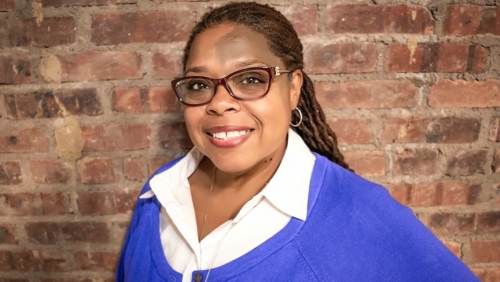
An Interview with Monisha Gibson

Monisha Gibson, director and CEO of the Maritime Odyssey Preschool in Norwalk, Connecticut, discusses the program’s work with a vulnerable student and family population during the coronavirus pandemic. She describes how Odyssey adapted to continue its holistic approach: prenatal support, food distribution, connections to mental health services, and quality preschool.

Issue Focus
July 2020

A recent (virtual) discussion with representatives of 13 schools, districts, and programs that provide work-based learning found each of them seizing unexpected opportunities amid the COVID-19 pandemic. The pivot from hands-on experiential learning to virtual instruction is varied and evolving at these organizations, which offer internships, apprenticeships, job shadowing, and other work-related programs.

Issue Focus
June 2020

Here are MDRC’s Top Five Tips for social service and educational programs adapting to the COVID-19 pandemic. They focus on ensuring staff members’ and participants’ personal safety so that agencies can continue providing high-quality services and support while working remotely. They also include guidance on protecting participant confidentiality.

Issue Focus
May 2020

An Interview with Bridgette Gray

Bridgette Gray, chief impact officer at the sector-based training and career advancement program Per Scholas, shares tips for retooling in the face of the coronavirus pandemic. The organization successfully transitioned 521 students and 200 staff members to a virtual training environment over a single, remarkable week in March 2020.

Issue Focus
May 2020

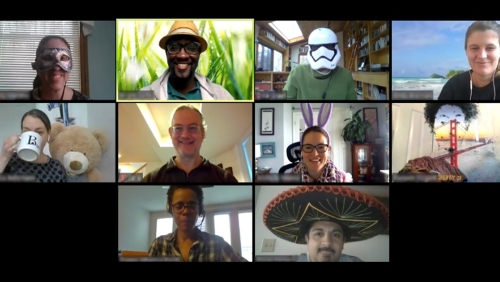
Building connections among staff members can feel especially challenging in a time when remote work and video conference calls make up most of our working day. Icebreaker activities are fun, useful tools that managers, supervisors, training facilitators, and coaches can use to enliven meetings and strengthen team and group bonds.

Issue Focus
May 2020

The COVID-19 pandemic has made written communication even more important. The checklist in this post incorporates principles of behavioral science to help organizations assess their current communications and get their point across more effectively.

Issue Focus
April 2020

Programs across the country must adjust to working remotely while serving clients in the context of COVID-19, and it’s a challenge — especially if your work typically depends on in-person contact. Here are some tips to help run remote group meetings with staff, stakeholders, and participants in this uncertain, unsettling time.

Issue Focus
February 2020

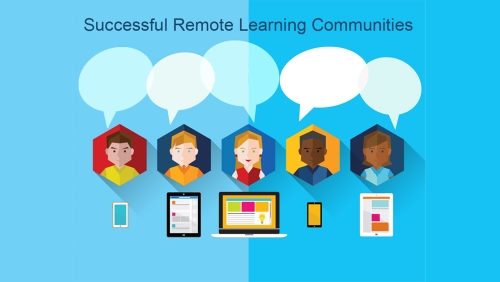
One-time training rarely results in long-term shifts in working practices, but remote learning communities can help reinforce new lessons and promote lasting change. In this post, we explore how two MDRC programs use online, video conferencing and telephone connections to help participants across the country further their professional growth.

Issue Focus
January 2020

Looking Ahead to “In Practice” Blog Posts in 2020

MDRC launched the In Practice blog in April 2019, to reflect lessons learned from program managers and staff in various partnerships. Posts in 2020 include Designing Programs Around Real People’s Real Needs, How to Use Data to Improve Programs, Making Evidence-Based Practices a Priority, and Improving Programs by Improving Training.

Issue Focus
December 2019

Upping Your Staff Training Strategy

Diverse, complex training needs in many programs makes staff training an ongoing challenge. Managers may be responsible for orienting new staff, implementing new proce­dures, or facilitating steps toward long-term improvement, and one-time training is often inadequate. MDRC works with programs to establish a “Learn-Do-Reflect” model of collaboration, explored in this post.