
Evaluation of New York City’s Coordinated Behavioral Health Taskforces


Overview
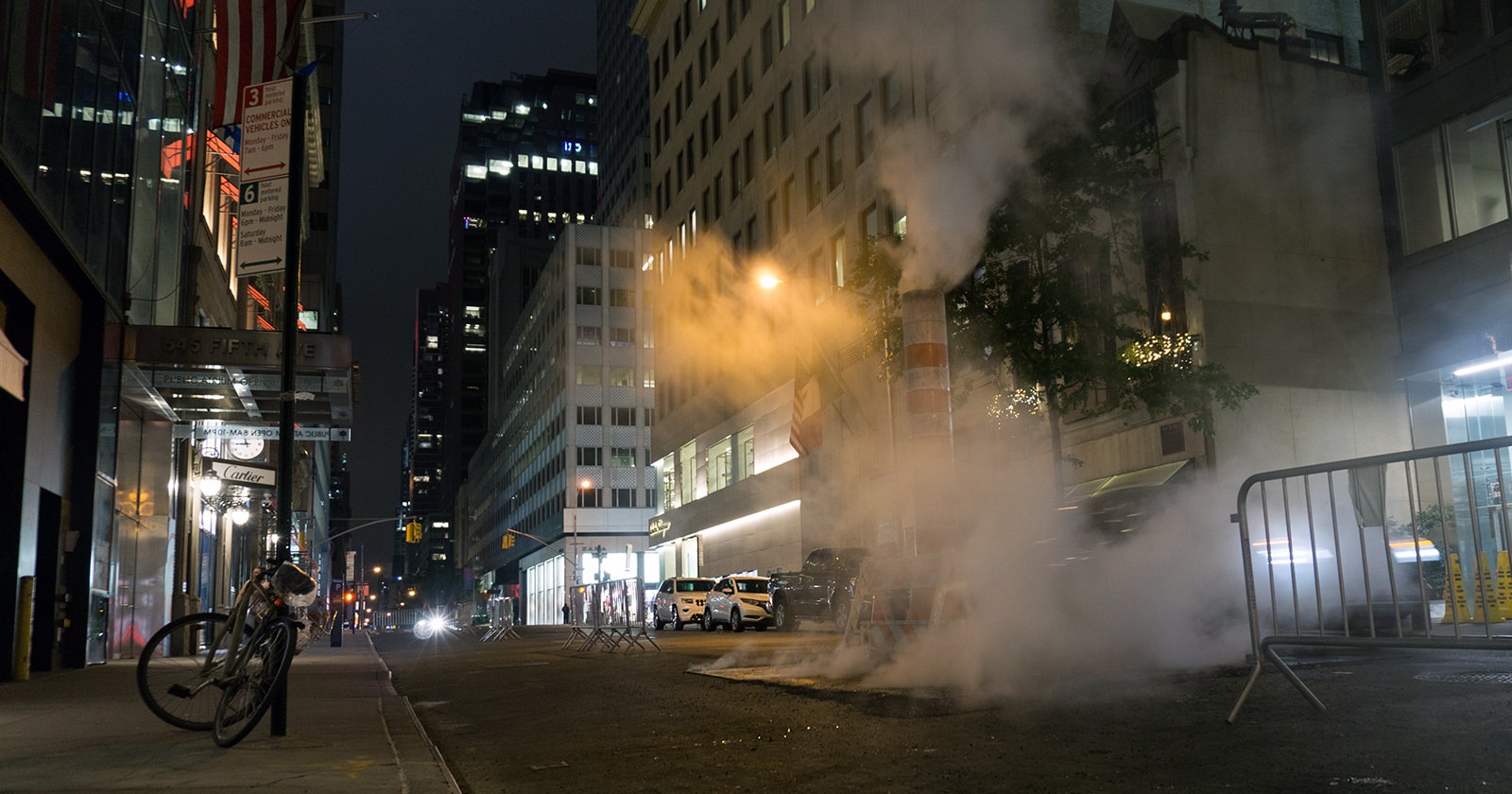
On any given night, more than 4,000 people in New York City sleep unsheltered—in subways, on the streets, and in other public spaces. Over the course of a year, many more experience unsheltered homelessness, often facing stigma, systemic barriers, and serious health challenges.
To respond to these urgent needs, the NYC Department of Homeless Services (DHS), under the Department of Social Services (DSS), launched the Coordinated Behavioral Health Taskforce (CBHT) initiative in 2022. Since then, the initiative has grown into three task forces (CBHT-3) focusing on (1) high-needs individuals within the subway system, (2) high-needs individuals above ground, and (3) end-of-subway-line high service utilizers. CBHT-3 brings together multidisciplinary teams to coordinate care and support housing stability for people with complex health needs and long histories of unsheltered homelessness.
MDRC is conducting a randomized controlled trial to assess the impact of the CBHT-3 initiative’s coordinated service approach on housing stability outcomes, and on health and criminal justice outcomes, compared with usual care, which includes emergency health and shelter services and support accessing permanent housing that are typically offered to people who are experiencing unsheltered homelessness. DHS is responsible for implementing random assignment.
The evaluation is part of the U.S. Treasury Department’s Social Impact Partnership to Pay for Results Act (SIPPRA) program. SIPPRA makes funding available to state and local governments for pay-for-results partnerships. The City of New York will receive up to $5.5 million in SIPPRA funding if the evaluation demonstrates that the CBHT-3 initiative is effective.