
Better Assessments of Young Learners


Early childhood education programs need good assessments of children’s learning, and school leaders need measures of what young children know and can do when they enter kindergarten. But many existing assessment measures are costly and burdensome to use and provide few insights that actually help educators, families, and children. With more than 40 states requiring some form of early childhood assessment, how can decision-makers get early childhood programs the tools they need?
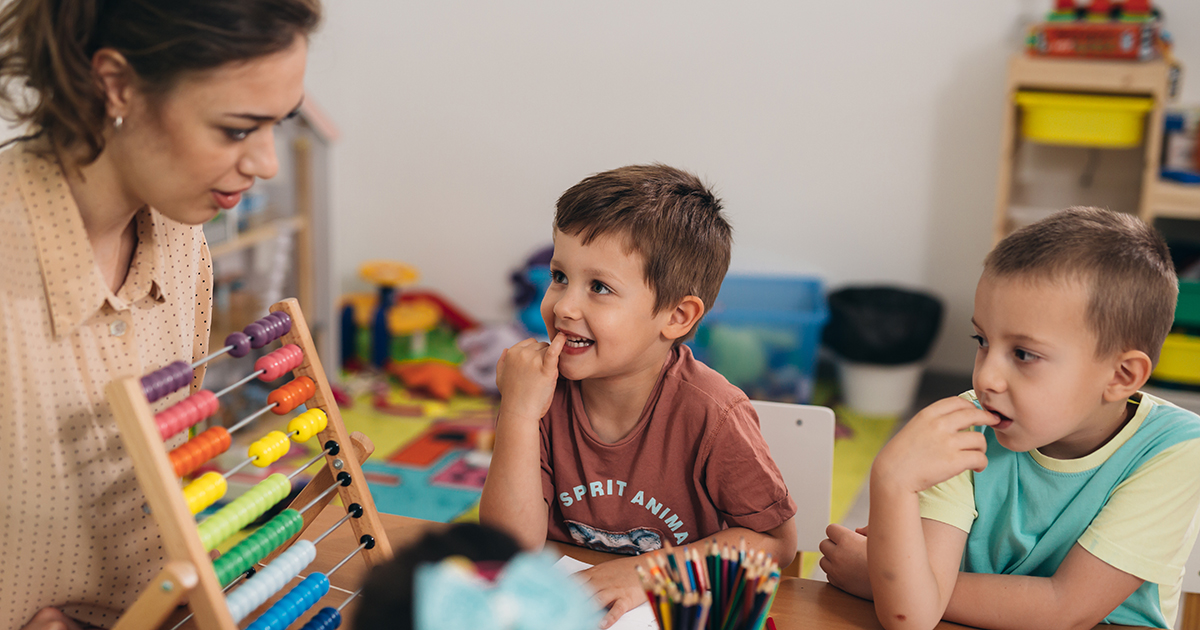
Consider what assessment looks like in many classrooms today: Ms. Johnson observes 4-year-old Marcus as he builds with blocks alongside his peers. She notices him counting blocks as he stacks them and using positional language, such as "put this one on top." Ms. Johnson jots down these observations, documenting Marcus’s mathematical thinking and language development in an authentic play context. Later that evening, however, she spends personal time completing the required assessment paperwork, trying to make sense of what she should share with families and what the scores mean for her instruction.
Now imagine a different approach: Ms. Rodriguez watches 4-year-old Zara work with digital blocks on a tablet, building towers and sorting shapes while the app captures her mathematical thinking and problem-solving strategies. Nearby, Bryson tells a story about his weekend while an assessment program running on a tablet or laptop analyzes his narrative skills and vocabulary development through automated speech recognition. Rather than pulling children aside for testing or spending time figuring out which observations to document, Ms. Rodriguez can move through her classroom, working with children as learning and assessment happen simultaneously. By the end of the morning, the assessment platform has generated insights about each child's progress across multiple areas—not just letters and numbers, but also language and executive functioning skills that research shows matter most for long-term success. The system creates individual reports for teachers and families in their home languages, highlighting each child's strengths and suggesting specific activities for both classroom and home use.
This imagined approach does not yet exist, but it could. In leading the Measures for Early Success Initiative, MDRC has gained a deeper understanding of the opportunities and challenges of child assessment through extensive discussions with educators, families, and program leaders. MDRC is working with assessment developers to build innovative tools that address current assessment challenges and can integrate seamlessly into daily classroom activities. Early evidence MDRC has gathered in initial pilot tests of these tools is promising: When 812 children across 49 classrooms in six states used the new assessment tools in the fall of 2024, most participating teachers reported needing less time to assess children's skills, and importantly, children stayed engaged during assessment activities.
As a whole, MDRC’s research on assessments for young children has the following guidance to offer state and local leaders as they make decisions in this area:
- Talk to teachers and families and use what they say to select assessments and develop new ones. Following the wisdom of teachers and families can help ensure that assessment data are accurate and useful and that the tools for collecting data do not impose a burden either at home or in schools. For example, Boston Public Schools established an Early Childhood Family Council that brings together families of pre-K students. Drawing on perspectives from that council helps Boston Public Schools align its assessment tools and practices with families’ and educators’ needs.
- Use assessments that can be part of normal, daily classroom routines. If assessments are designed well and teachers receive professional training in them, then teachers can gather meaningful information during regular classroom activities rather than through separate testing sessions. For example, Khan Academy Kids, a nonprofit education technology organization, is creating short, engaging, tablet-based assessments that look and feel like the activities on its free, widely used learning app, enabling teachers to track children’s skill development more easily.
- Adopt assessment tools that capture a range of children's competencies and abilities. For example, the Virginia Kindergarten Readiness Program includes three assessments designed to evaluate children’s early literacy, mathematics, and social-emotional skills. Assessment systems should align with comprehensive early learning standards and provide insights across multiple domains of learning, rather than focusing narrowly on academic skills.
For more information, email Sharon Huang at Sharon.Huang@mdrc.org.