
Capturing a Child’s Uniqueness
Educators’ and Parents’ Insights on Designing Early Childhood Assessments


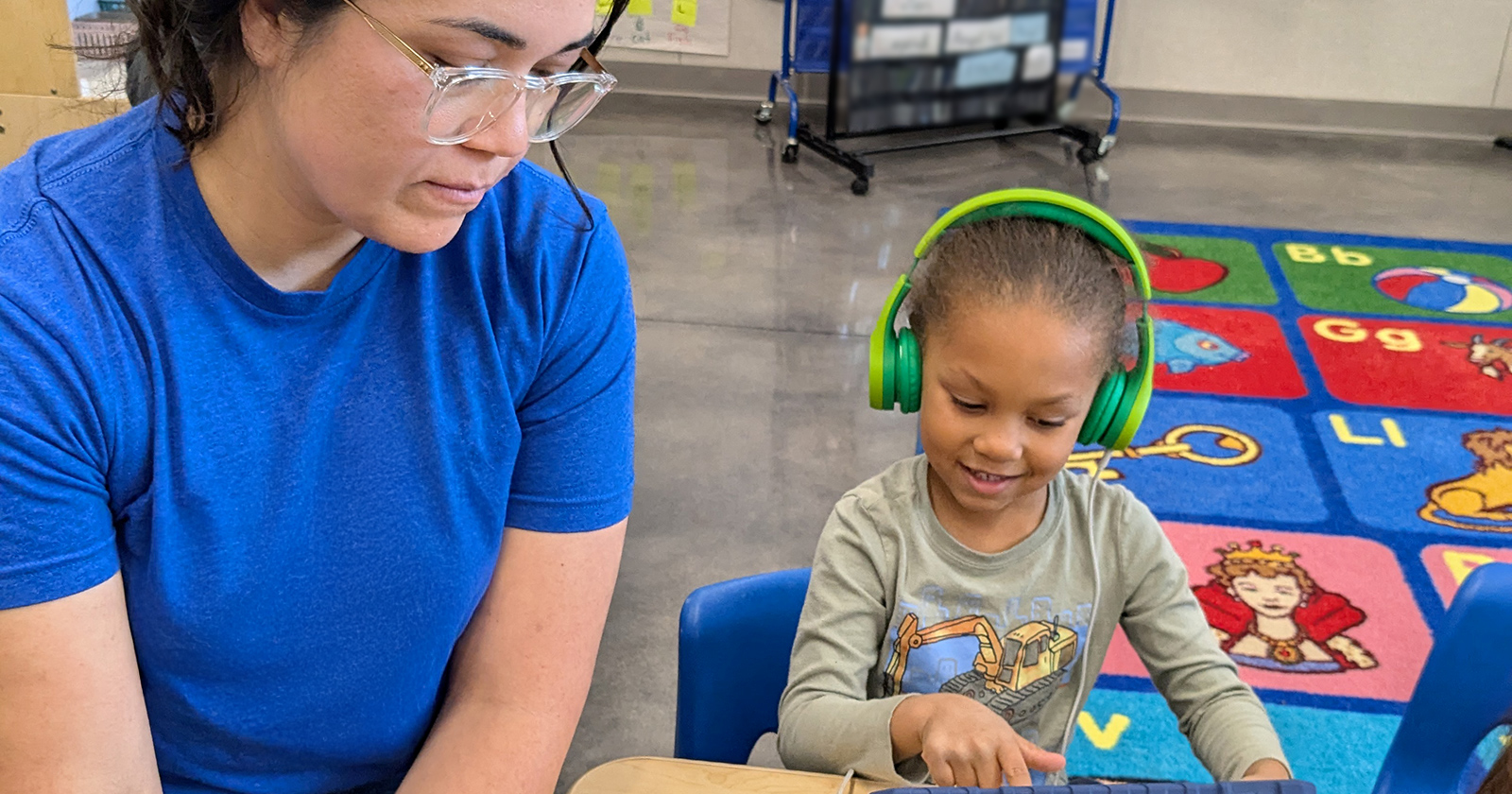
Early childhood assessments are important for understanding how young children are learning and developing. Policymakers, school district leaders, and educators rely on assessment data when deciding on, designing, and implementing early childhood policies and programs. Teachers use assessment data to guide their instruction and support for individual learners, while families use the data to further support their children’s learning at home. Research indicates that having data on child skills can lead to improvements in child outcomes. Yet there are concerns that existing assessment tools were not developed to capture the strengths and needs of all children and are burdensome to use, with resulting data that are difficult to interpret and act upon.
For assessment developers seeking to address these concerns, discussions with educators and families who rely on these tools and the resulting data can bring about novel ideas and fresh approaches to assessment design. Incorporating feedback from these key stakeholders into the development of new assessment tools could help ensure that assessment data are accurate and useful and that the tools do not impose a burden on stakeholders either at home or in schools.
To that end, this brief shares educators’ and parents’ advice on creating assessment tools that are easy to navigate, useful, and designed to capture the skills of all early learners. The advice is drawn from focus groups conducted for the Measures for Early Success Initiative (Measures Initiative), an initiative led by MDRC that aims to develop scalable and comprehensive early childhood assessment tools that are usable for all educators, children, and families in public pre-K settings. This brief aims to elevate the perspectives of educators and families with the goal of expanding the early childhood assessment field’s understanding of how to design assessment tools to meet the needs of these stakeholders and the children they support.