
Leveraging Behavioral Science to Improve Access to Public Transit


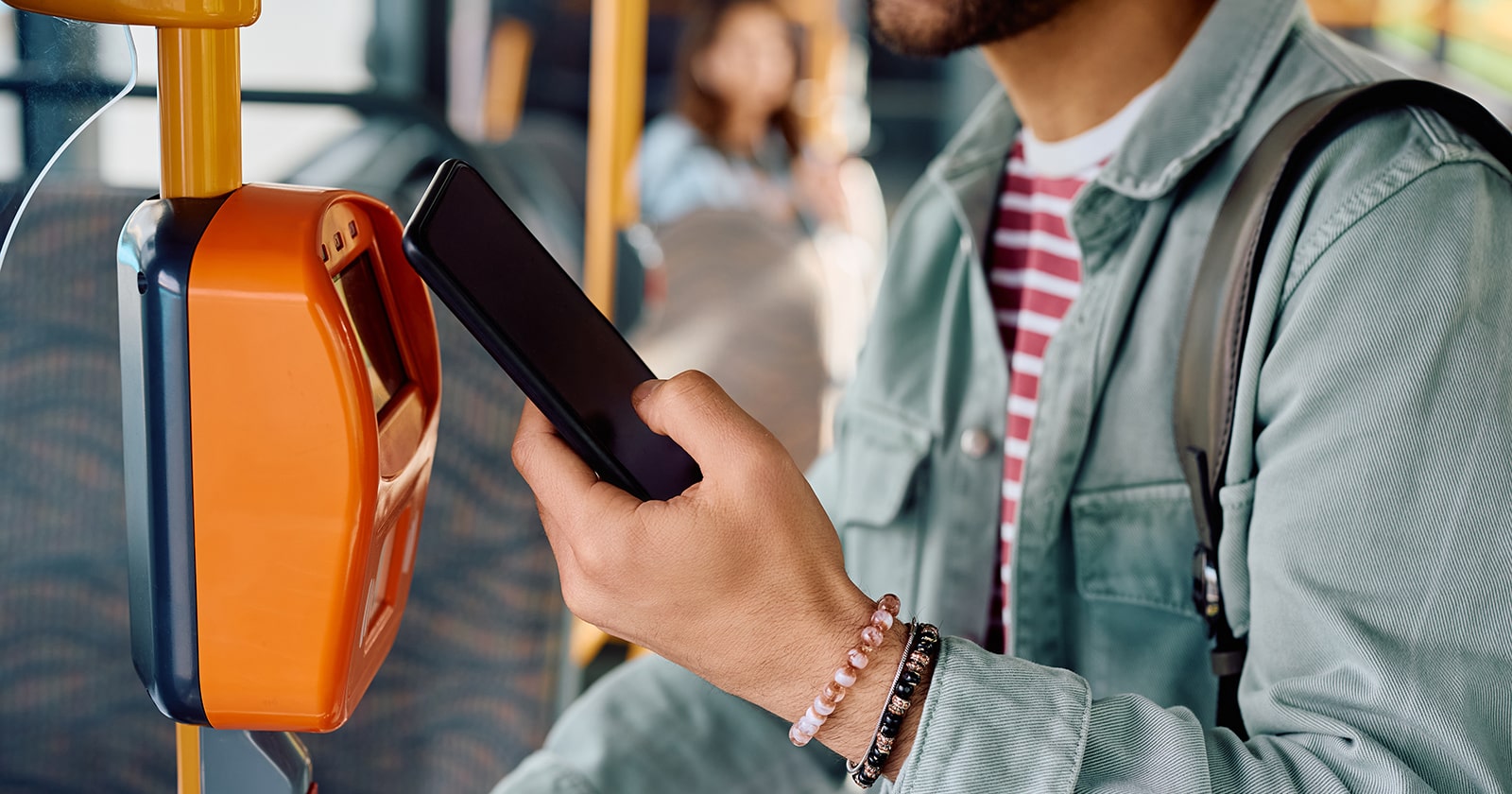
Transit agencies nationwide are modernizing fare systems by adopting digital and contactless payment technologies that enable riders to pay fares using credit and debit cards, reloadable transit cards, mobile apps, and other contactless devices. These expanded payment options can make it easier to board and transfer between transit vehicles, streamlining operations and making public transportation more convenient for many riders. However, as digital and contactless payments become more popular, transit agencies are considering limiting or eliminating cash as a payment option, which raises the question: Does shifting away from cash have a cost?
Reducing the places where cash is accepted risks reducing access to public transportation for populations with limited use of banking services and mobile technology, such as immigrants, people from low-income communities, and seniors. Because transportation is essential for gaining access to the many resources that affect people’s economic opportunities, health, and social needs, access to public transportation can be particularly important for these groups. This challenge is ripe for a behavioral science approach—a systematic method of addressing barriers to desired behaviors that applies research on how people make decisions and take actions. By uncovering the barriers that specific groups of riders face when adopting new payment methods, transit agencies can develop tailored solutions to help ensure that technological advancements do not widen the access gap for these riders.
In 2020, MDRC partnered with King County Metro, a leading transit agency in Seattle and the Puget Sound region, to help shed light on how transit riders make choices about how to pay their fares and to help inform policy decisions about fare payment options. This brief describes the behavioral science–driven research initiatives that MDRC used to help King County Metro navigate this rapidly changing landscape.