
Maryland: Final Report on the Employment Initiatives Evaluation


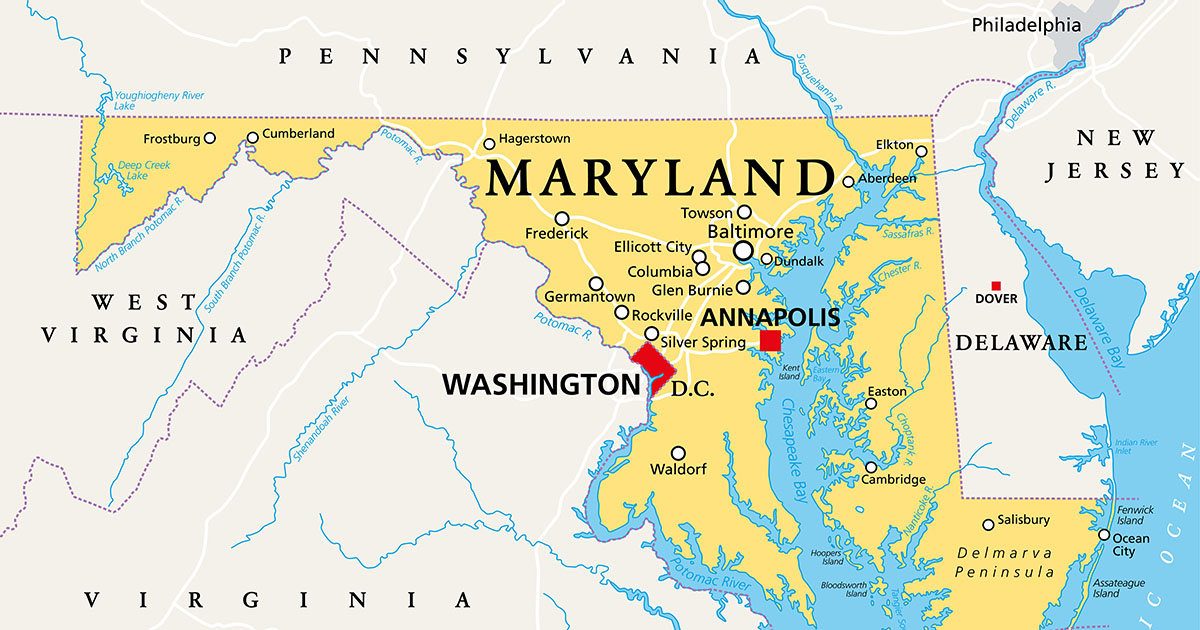
This is the final report on MDRC' s evaluation of two of nine special programs in Maryland known as the Employment Initiatives. The two initiatives studied are the Options Program in Baltimore and the Basic Employment Training Project in Wicomico County, each of which tried different employment approaches for the AFDC welfare population in their area. An earlier interim report describes the implementation and participation patterns of both programs; this report expands on the earlier participation findings, but focuses primarily on Baltimore's Options Program, examining its effects on enrollees' employment and welfare outcomes, as well as program benefits and costs.
Maryland is one of a number of states participating in MDRC's multistate Demonstration of State Work/Welfare Initiatives. Others include Arizona, Arkansas, California, Florida, Illinois, Maine, New Jersey, Texas, Virginia, and West Virginia.
In this demonstration, MDRC has had a unique opportunity to work closely with a number of states in evaluating their employment programs, while at the same time examining a subject that is of national as well as state concern: the critical relationship between work and dependency. Addressing state issues in a manner that benefits policy at many levels is a challenge that MDRC is privileged to be undertaking.
In order to understand this project, one must realize that this demonstration documents an important shift in program responsibilities away from the federal government to the states. The studies evaluate the initiatives states themselves chose to implement under the provisions of the Omnibus Budget Reconciliation Act of 1981, in which they received authority for the first time to operate Community Work Experience (CWEP) programs for recipients of Aid to Families with Dependent Children (AFDC) and to streamline the administration of their Work Incentive (WIN) system. Because states responded to this opportunity in different ways, the demonstration is not built around a single model. Rather, the programs represent some of the major variations being tried around the country and span a range of local economic conditions and AFDC program provisions.
MDRC could not have conducted this demonstration without the support of The Ford Foundation, which provided funds for the planning stage and for the evaluation activities of the participating states, matching an equal investment of state or other local resources. This joint funding relationship is another significant aspect of the demonstration effort.
In the implementation and analysis of the Demonstration of State Work/ Welfare Initiatives, MDRC has been gratified by the sustained commitment of the participating states and foundations and their interest in the findings. It is our hope that the process and results of this demonstration will contribute to informed decision-making and ultimately lead to the development, and operation of even more effective programs designed to increase the self-sufficiency of welfare recipients.