Founded in 1974, MDRC is committed to improving the lives of people with low incomes. We design promising new interventions, evaluate existing programs, and provide technical assistance to build better programs.
MDRC develops evidence about solutions to some of the nation’s most difficult problems. Explore our projects and variety of products, including publications, videos, podcast episodes, and resources for researchers and practitioners.
The Jobs Plus demonstration aimed to increase economic empowerment and mobility for public housing residents through on-site employment services, rent-based work incentives, and supportive work activities. Sites that fully implemented the model saw long-term positive employment and earnings effects, but negative effects were observed in sites that did not.
A Study of College Transition Text-Based Messaging
Many underserved groups face barriers to college enrollment. This study evaluated a program that supplemented federal supports for these groups through text messages about securing financial aid, completing college enrollment, and navigating other barriers. The study found that adding the messaging program did not increase rates of college enrollment.
A Summary of Findings from the Strengthening the Implementation of Responsible Fatherhood Programs Study
This document summarizes what was learned in SIRF (Strengthening the Implementation of Responsible Fatherhood Programs), which engaged 10 programs in using learning cycles—repeated periods of implementing ideas and reflecting on the results—to build evidence on practices to improve the enrollment, engagement, and retention of fathers in fatherhood programs.
How Fatherhood Programs Used Learning Cycles in Efforts to Improve Participation Outcomes
In rapid learning cycles, programs try a new approach, see how well it works, make modifications to strengthen it, and then try it again. This brief illustrates how 10 fatherhood programs used learning cycles to evaluate one of three promising approaches to engaging men in their services.
In this commentary originally published in Route Fifty, Mervett Hefyan and Meghan McCormick discuss three ways states can strengthen home visiting services to address the effects of the pandemic on young children and to boost parental health as well.
Six-Year Findings from the ASAP Ohio Demonstration
U.S. community colleges—which disproportionately serve students from low-income backgrounds—have very low graduation rates. In response, three Ohio community colleges implemented programs based on the City University of New York’s successful Accelerated Study in Associate Programs. After six years, the programs had a positive impact on graduation and earnings.
MDRC is partnering with the Texas Higher Education Coordinating Board to provide information about evidence-based programs backed by past research to the Student Success Program Inventory, an inventory of existing student success programs in Texas. This brief summarizes some of the information they will use in that effort.
How Agencies in the Procedural Justice-Informed Alternatives to Contempt Demonstration Continued Their Work After Research Ended
The Procedural Justice-Informed Alternatives to Contempt project integrated procedural justice (the idea of fairness in processes) into enforcement at six child support agencies. After the study ended, the agencies could determine how they wished to continue to use procedural justice principles. This brief describes how they did so.
In this commentary originally published in Inside Higher Ed, Sophia Sutcliffe, Dan Knox, and Marjorie Dorimé-Williams describe a new effort to understand the significant role faculty and staff play when students transfer between community colleges and four-year institutions.
Effects of the Procedural Justice-Informed Alternatives to Contempt Demonstration
The Procedural Justice-Informed Alternatives to Contempt (PJAC) project integrated procedural justice (the idea of fairness in processes) into enforcement at six child support agencies. This report finds that the PJAC intervention did not meet its primary goals of improving payment compliance and regularity.
In this essay, MDRC President Virginia Knox describes how MDRC and its partners are working with state welfare agencies to help them harness the power of their administrative data to better understand participants’ needs and to improve service delivery.
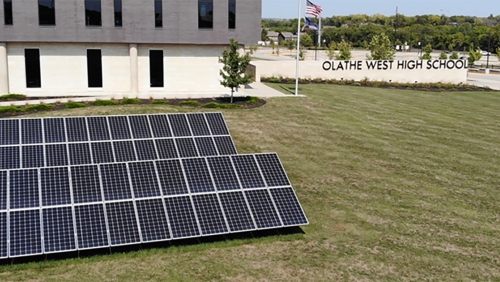
How a Career Academy Is Training Students for the Sustainable Economy
Some high schools are offering career and technical education pathways for students to develop skills needed for the “climate-ready” workforce. MDRC is learning from such schools and programs across the country, including the Green Tech Academy in Olathe, Kansas. This blog post describes the program.
In this commentary originally published in GovTech, Edith Yang explains how gathering and analyzing data are only two components of successful data projects. The right combination of people, perseverance, and project scoping are just as important.
Interim Impacts of the Texas Transfer Grant Pilot Program on Student Transfer
Only a fraction of community college students who plan to transfer to a four-year institution actually do. The Texas Transfer Grant Pilot Program was launched to improve transfer rates and bachelor’s degree attainment. It increased the proportion of students who enrolled in a Texas public four-year institution.
Evidence from a Randomized Controlled Trial of Child First
Home visiting programs, which improve children’s development and strengthen caregivers’ and families’ well-being, faced many challenges during the COVID-19 pandemic. This paper examines a program that provided psychotherapeutic, parent-child services during the pandemic and the effects of delivering those services online or in a hybrid format at that time.
Twenty-first-century skills (also known as noncognitive, employability, or soft skills) are increasingly viewed as essential for favorable outcomes in both education and employment. This infographic outlines practical considerations and recommendations for developing and implementing soft-skills programs, curricula, and instruction in a postsecondary setting.
California State University recently decided not to proceed with a proposal that would have required students to take an additional year of high school math, science, or other quantitative reasoning course for admissions. This commentary describes how MDRC’s analysis of the proposed policy helped inform that decision.
The Tools for Postsecondary Schools interactive toolkit is designed to help staff members and administrators at two- and four-year colleges use evidence-based practices to support students. It draws on over 20 years of MDRC research and technical assistance and can help practitioners at any stage in the program-development process.
The combination of the COVID-19 pandemic and racial unrest over the last few years has been referred to as the “dual pandemics.” These challenges have contributed to startling college enrollment declines for men of color. This brief shares four strategies that colleges and universities can employ to better support them.
Roca Baltimore works with young men who have been involved in the justice system and who are at high risk of violence. This report draws on interviews with participants to present a picture of the men Roca Baltimore serves and the ways it works with them.


















 The Tools for Postsecondary Schools interactive toolkit is designed to help staff members and administrators at two- and four-year colleges use evidence-based practices to support students. It draws on over 20 years of MDRC research and technical assistance and can help practitioners at any stage in the program-development process.