
Developing Engaging Ed Tech Products for Young Children
Insights from User Testing of Assessment Tool Prototypes


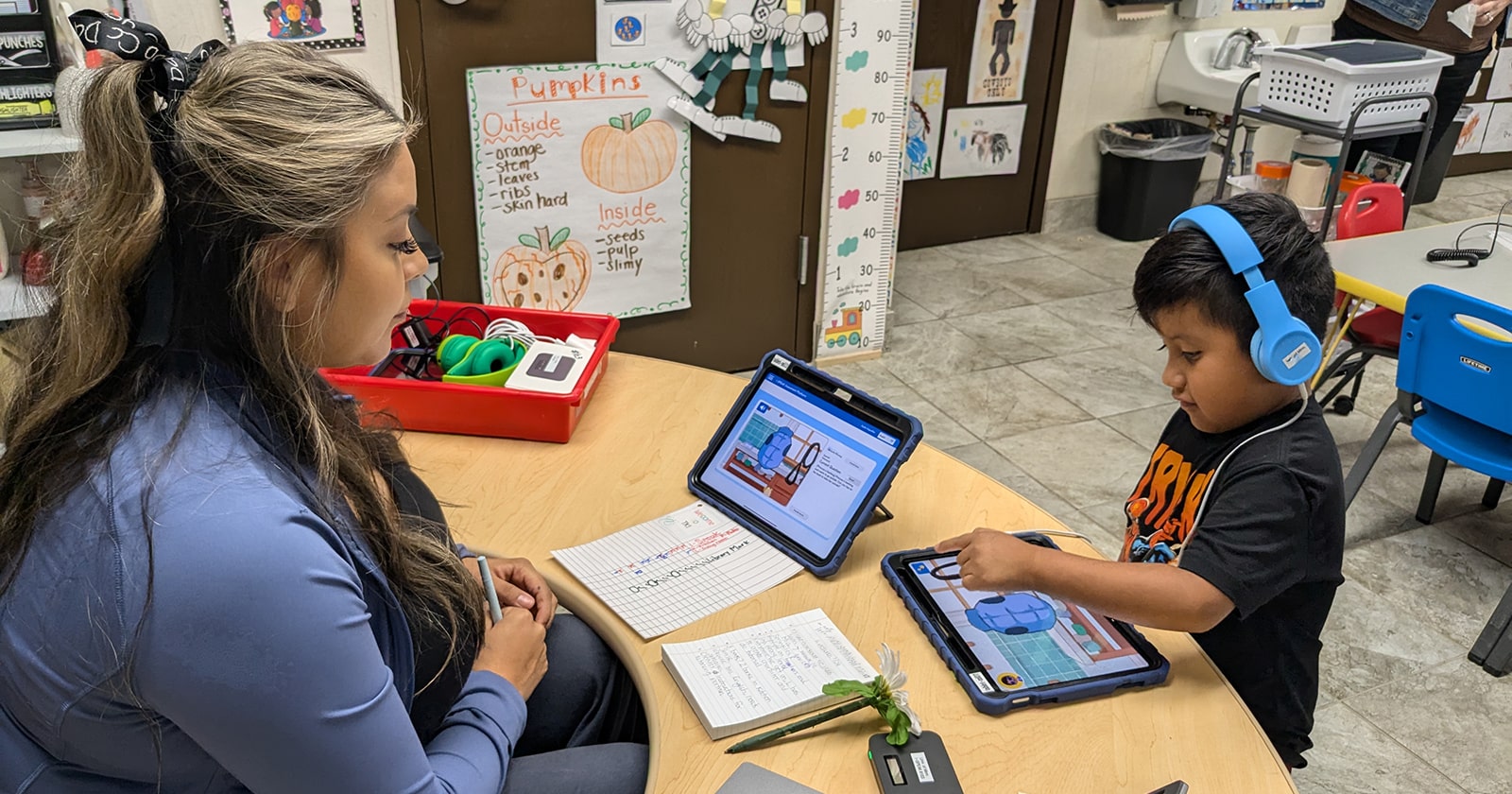
Today’s educational technology (ed tech) landscape is growing at a rapid pace, particularly in the early learning arena. More companies are entering the pre-K space with learning products that make use of technology, offering interactive digital educational experiences for even the youngest of learners. As ed tech continues to expand, an increasing number of districts are looking to incorporate effective technologies in their classrooms to support learning and information management, resulting in a growing need for accessible, inclusive, and user-friendly tools.
Despite the surge of interest in ed tech products, some existing tools employ design features that are not aligned with the varied needs of students in today’s pre-K classrooms, and products intended for young children are often developmentally inappropriate for their target audience. This brief offers practical, user-tested suggestions to help ed tech developers avoid these pitfalls and design effective, engaging, and easy-to-use digital products for young children that reflect different perspectives and experiences of users. These suggestions are grounded in the real-world codesign work of the Measures for Early Success Initiative—a project led by MDRC that brings together assessment developers, researchers, content experts, policy advisors, administrators, educators, and families to rethink how pre-K learning is assessed. The involvement of children, families, and educators from groups not historically included in assessment development is central to the initiative.
The suggestions in this brief crystallize around two core design goals:
Goal 1: Design products to be intuitive, engaging, and enjoyable for young children
Goal 2: Reflect experiences and perspectives that are familiar to product users
Because the assessment tools involved in this research were interactive digital platforms, the insights and recommendations that emerged apply not only to assessment design, but also to the design of a broader range of ed tech products. This brief provides concrete takeaways aligned with current best practices to help ed tech developers for a variety of product types center users and create more impactful products for early childhood settings.