
Putting Learning into Practice
Using The Learning Block Workbook to Strengthen Programs


Social service organizations consistently balance service delivery with the ongoing need to learn, adapt, and improve. Finding time and tools for structured reflection can be hard, but it’s essential for programs that want to keep getting better.
The Learning Block Workbook, developed by Evidence to Practice staff members at MDRC for the California Employment Development Department, provides a practical tool to do just that. It introduces learning cycles—a structured process of testing, collecting data, and refining practices—to help program operators embed continual improvement into their day-to-day work. Try The Learning Block Workbook the next time you need a guide for staff members to organize program improvement ideas.
Read this blog post to see how grantees of California’s Opportunity Young Adult Career Pathway Program—which is administered by the Employment Development Department—used the workbook to help them effectively use data to inform programmatic decisions.
From Ideas to Action: The BOOST Workbook in Practice
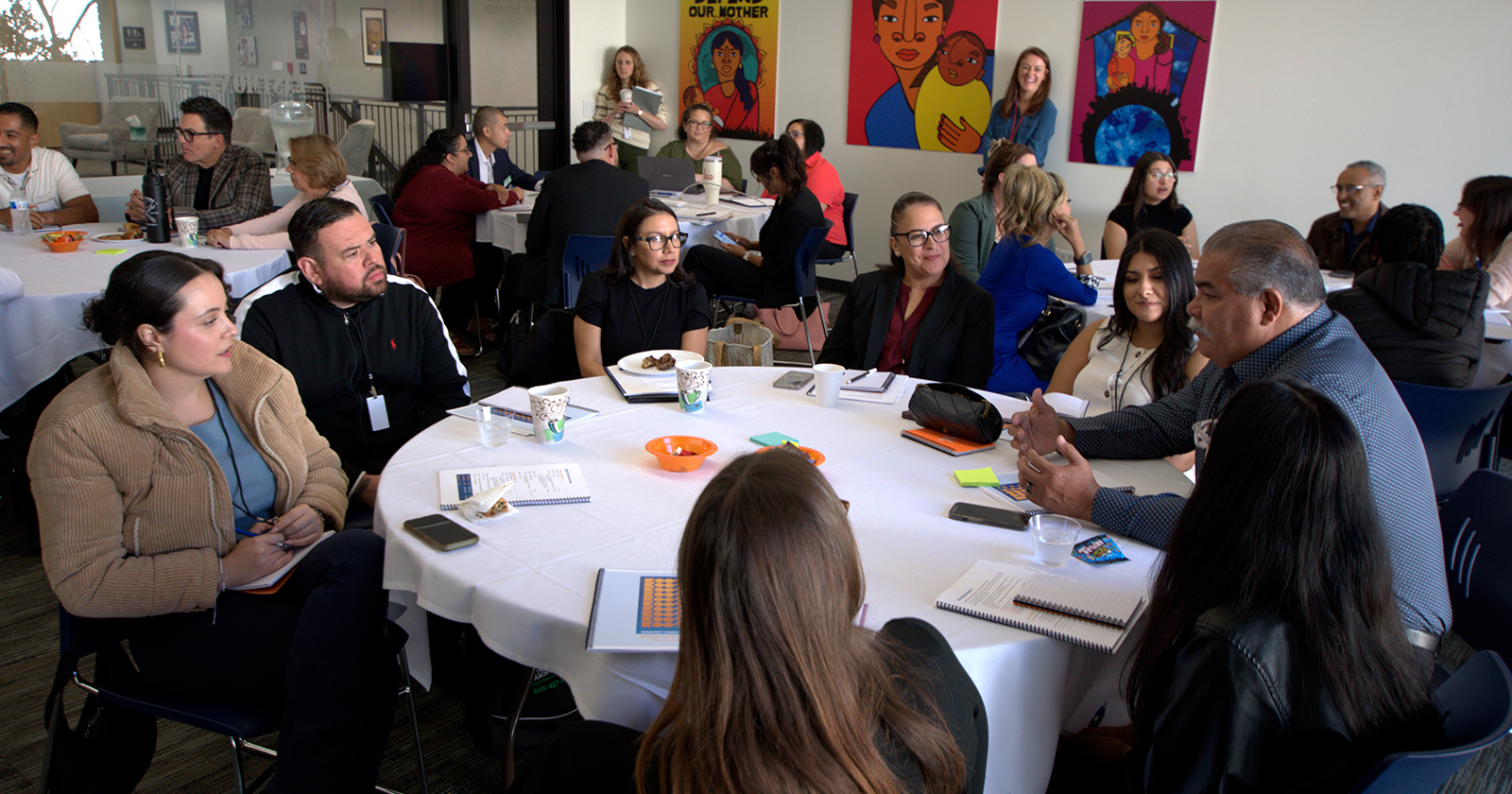
In fall 2025, 25 community-based organizations that were participating in Building Opportunities and Optimizing Skills for Transitions (BOOST)—a technical assistance initiative that uses developmental evaluation to help programs learn and improve in real time—joined the MDRC team for an in-person meeting. Staff members from each organization arrived ready to tackle a pressing challenge they faced when serving young people. These issues reflected common priorities in the social services field: deepening participant engagement, connecting participants to meaningful work, and strengthening partnerships with employers and other service providers to support participants’ long-term success.
To tackle their challenges, MDRC encouraged attendees to set up an iterative learning process. They used The Learning Block Workbook to plan a learning cycle, step by step. Teams from each organization attended three workshops that walked them through the following activities:
- Determine your approach: Organizations examined the root causes of their chosen challenge and outlined a clear strategy to address it by describing what success would look like through short- and long-term outcomes.
- Develop a measurement plan: Attendees identified how they would track progress using quantitative data (metrics like counts, rates, frequencies) and qualitative data (insight from stories, interviews, or observations)—providing the evidence needed for reflection and continual improvement within each learning cycle.
- Outline next steps: Each team created a concrete action plan with assigned roles, timelines, and milestones for implementing changes and reviewing data.
The workbook encourages short learning cycles, which help program operators quickly try out a solution, reflect on what the data show, and then refine their approach accordingly. By keeping cycles short, teams can adapt in real time and spot patterns sooner. This hands-on approach aligns with MDRC’s Learn-Do-Reflect model—an iterative process that helps practitioners improve their programs using data and continual improvement. Practitioners left the meeting with copies of the workbook, which could be used to address other challenges at their organizations.
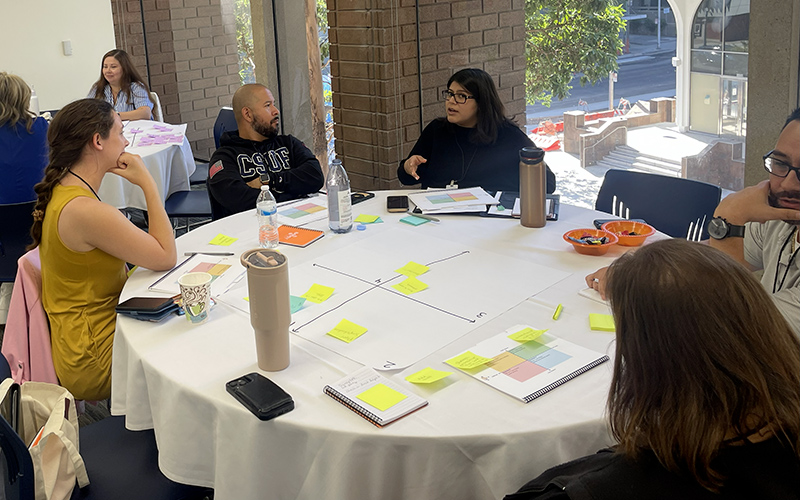
BOOST practitioners collaborate in person to shape learning cycle strategies.
What This Process Looked Like on the Ground
Attendees used the workbook to shape their vision, approach, and measurement plans—and walked away with concrete next steps. These two examples show what that planning process looked like.
Strengthening employer partnerships in a high-demand field
Staff members from one grantee wanted to deepen relationships with employers in a key sector that is tied to their training program. Guided by training on behavioral science that they received from the MDRC team, the attendees redesigned their employer outreach email to make it clearer, more concise, and more appealing. To measure progress, they planned to track the number of emails they sent, the response rates, their new confirmed employer partners, and the resulting number of program participants those employers hired to see whether this small tweak could boost employer engagement.
Increasing participant engagement with an in-person orientation session
Staff members from another grantee wanted to reduce no-show rates for a core training component by strengthening participants’ early connection to the program. Their approach was to hold a new in-person orientation session to build relationships with the participants, set their expectations, and make the program feel more coordinated and approachable. Success was measured by how many participants showed up to the first day of the training session compared with previous cohorts—offering quick insight into whether the new orientation session improved participant engagement.
A Resource for Program Operators Who Are Ready to Learn and Adapt
The Learning Block Workbook can be used by a wide range of social service programs—from youth employment to reentry services, housing stability programs, or community health initiatives. Practitioners can start small—with one focused question, one short learning cycle—and build from there. Over time, those cycles build into something powerful: coordinated systems, more engaged staff members, and better outcomes for participants.
This process of small, structured learning parallels what MDRC has seen through decades of research and technical assistance—the most lasting improvements come from organizations that treat learning as an ongoing practice, not an occasional project.