Founded in 1974, MDRC is committed to improving the lives of people with low incomes. We design promising new interventions, evaluate existing programs, and provide technical assistance to build better programs.
MDRC develops evidence about solutions to some of the nation’s most difficult problems. Explore our projects and variety of products, including publications, videos, podcast episodes, and resources for researchers and practitioners.
A Qualitative Sub-Study from the Mother and Infant Home Visiting Program Evaluation (MIHOPE)
This report sheds light on participants’ perspectives of home visiting, using mothers’ own words. It explores how mothers who participated in home visiting programs perceived their experiences and relationships with home visitors, with a particular focus on building trusting relationships.
MDRC Senior Vice President Dan Bloom reviews what MDRC’s evaluations of welfare-to-work programs say—and don’t say—about the effectiveness of work requirements and discusses the applicability of these findings to other public benefits programs.
Full Findings from the Pretrial Justice Collaborative
In place of bail, many jurisdictions are instead releasing people awaiting trial with varying levels of supervision in an effort to ensure that they appear in court and avoid new arrests. The analyses described in this report from two jurisdictions found that lower-intensity supervision was as effective as higher-intensity supervision.
The guide provides recommendations about specifying implementation research questions, assessing whether and how a planned intervention is implemented, documenting the context in which an intervention is implemented, and measuring the difference between the intervention and what services the members of a control or comparison group receive.
How a Pilot Program Targeting Ninth-Graders Led to Shifting Sessions from Weekends and Evenings to Regular School Hours
A New Mexico Public Education Department program offering virtual, high-dosage tutoring sessions was aimed at reaching many more students across this large, rural state. Enrollment rates were lower than hoped for, however, especially among rural students, who had concerns about work and family commitments, internet connectivity, and other issues.
Many early elementary-grade students do not achieve literacy proficiency because they do not receive effective personalized literacy instruction. The Assessment-to-Instruction (A2i) Professional Support System helps teachers use differentiated small-group instruction to address that need. This study examined two models’ effectiveness in implementing A2i and improving student literacy in schools nationwide.
This issue focus traces the 25-year history of the Urban Assembly, an independent nonprofit that provides support services to public high schools in New York City. MDRC is conducting a study of Urban Assembly’s school support model.
Full Findings from the Pretrial Justice Collaborative
Many jurisdictions use electronic monitoring (electronic devices that monitor people’s locations) and sobriety monitoring (drug and alcohol testing) as alternatives to pretrial detention. The analyses described in this report from four jurisdictions found that neither form of monitoring improves court appearance rates or the avoidance of new arrests.
A Framework for School Improvement and a Review of the Evidence
This report reviews 13 evaluations of comprehensive high school reform efforts, identifies the features of the models evaluated, and categorizes them to create a reform framework that can be generally applied. It also compiles information on prevalent features of reform models that have proven promising for improving student outcomes.
In this commentary originally published in Route Fifty, Mervett Hefyan and Meghan McCormick discuss three ways states can strengthen home visiting services to address the effects of the pandemic on young children and to boost parental health as well.
A Summary of Findings from the Strengthening the Implementation of Responsible Fatherhood Programs Study
This document summarizes what was learned in SIRF (Strengthening the Implementation of Responsible Fatherhood Programs), which engaged 10 programs in using learning cycles—repeated periods of implementing ideas and reflecting on the results—to build evidence on practices to improve the enrollment, engagement, and retention of fathers in fatherhood programs.
Generation Work was launched in five cities to connect more young adults—especially those of color from low-income families—with meaningful employment by changing how workforce development systems prepare them for and support them in jobs. This publication previews findings from the first five years of the initiative.
In this blog post published by the National College Attainment Network, MDRC’s Colin Hill describes the findings from MDRC’s recent evaluation of the City University of New York’s ASAP student success program at three Ohio community colleges.
In a blog post originally published by New America, Meghan McCormick and Christina Weiland offer four lessons for states and localities interested in improving children’s access to high-quality public prekindergarten programs.
Evidence from Acelero Learning Head Start Programs
There is a lack of consistent evidence on the extent to which the pandemic affected preschool-age children. This brief summarizes the initial results from a study led by MDRC that is examining the post-pandemic language, literacy, math, and executive functioning skills of children enrolled in Acelero Learning programs.
The Jobs Plus demonstration aimed to increase economic empowerment and mobility for public housing residents through on-site employment services, rent-based work incentives, and supportive work activities. Sites that fully implemented the model saw long-term positive employment and earnings effects, but negative effects were observed in sites that did not.
Unemployment among young people is well above the national average. Among Black young adults, it is even higher. Generation Work aims to address this inequity by improving how local workforce development systems serve this population. This report examines the first five years of the initiative in five cities.
How Fatherhood Programs Used Learning Cycles in Efforts to Improve Participation Outcomes
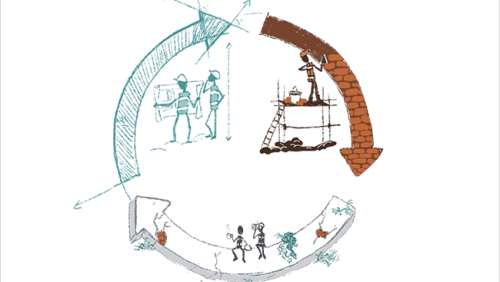
In rapid learning cycles, programs try a new approach, see how well it works, make modifications to strengthen it, and then try it again. This brief illustrates how 10 fatherhood programs used learning cycles to evaluate one of three promising approaches to engaging men in their services.
Generation Work aims to help more young people—particularly those of color from low-income families—succeed in today’s job market. This Issue Focus highlights promising strategies that the five partnerships implementing the initiative have pursued to foster awareness of racial equity and inclusion among their staff and change organizational practices.
Create Wellness Communities and Schedule Staff Celebrations to Boost Morale and Well-Being
Many program managers are integrating self-care into their management strategies to address work-related stress. This post offers two group activities that managers can use to boost staff morale and promote well-being: wellness communities and monthly staff celebrations.