Founded in 1974, MDRC is committed to improving the lives of people with low incomes. We design promising new interventions, evaluate existing programs, and provide technical assistance to build better programs.
MDRC develops evidence about solutions to some of the nation’s most difficult problems. Explore our projects and variety of products, including publications, videos, podcast episodes, and resources for researchers and practitioners.
This is the fifth in a series of Q&As with past participants in MDRC’s Judith Gueron Minority Scholars Program in which they reflect on their experiences at MDRC and discuss what they’re up to today.
Lessons on Adapting Interventions for Young People Experiencing Homelessness or Systems Involvement
Young people who experience homelessness or involvement in foster care or justice systems face unique challenges. The Learn and Earn to Achieve Potential (LEAP)TM initiative aims to help this population reach its full potential. An MDRC evaluation of two programs adapted by 10 LEAP grantees will contribute knowledge to this field.
In just seven seconds, most people form a first impression. For program participants, this initial encounter can mean the difference between signing up for services – or walking away. The September 2019 In Practice blog post offers tips for programs seeking to have an impact from the get-go.
Implementing Individual Placement and Support in a Workforce Setting
Breaking Barriers was a San Diego-based program that provided employment services to low-income individuals with a range of disabilities or other health conditions. Preliminary analyses based on a survey found that the program did not have an impact on the primary outcomes measured — employment, length of employment, and total earnings — during a 15-month follow-up period.
Lessons from the Los Angeles College Promise Program
The Los Angeles College Promise aims to increase college access and success by offering support services and a scholarship that covers tuition and fees for two years. This brief highlights how it has established a cycle of continual program improvement that uses insights from behavioral science and involves the students themselves.
A Feasibility Study of the Bridges to Pathways Program
In a program to reduce criminal justice involvement, participants received mentoring, case management, subsidized internships, and the opportunity to earn a high school credential. The program reduced the arrest rate for felonies and violent crimes but did not affect overall rates of arrest or incarceration, educational or training certification, or employment.
Data from management information systems, direct observations, and the reactions of staff members can help programs understand themselves, identify areas for improvement, and set goals. This infographic presents examples of how programs in the Building Bridges and Bonds study used data from different sources to gain insights.
This report presents 27- to 30-month impacts of an alternative rent policy for housing voucher recipients in four locations. Voucher program tenure and monthly housing subsidies increased for recipients, and housing agencies’ administrative burdens decreased. Average earnings did not rise overall, but earnings increased in two locations and employment increased in one.
Part I of this two-part post discussed MDRC’s work with practitioners to construct valid and reliable measures of implementation fidelity to an early childhood curriculum. Part II examines how those data can reveal associations between levels of fidelity and gains in children’s academic skills.
This is the fourth in a series of Q&As with past participants in MDRC’s Judith Gueron Minority Scholars Program in which they reflect on their experiences at MDRC and discuss what they’re up to today.
The August 2019 In Practice blog post offers tips for programs to ensure that the participants they recruit, actually enroll. In this post, we examine some key lessons from MDRC’s evaluation of the WorkAdvance project to help turn program recruits into program success stories.
In the spring of 2019, MDRC invited practitioners from innovative career and technical education (CTE) programs to discuss questions of equity. This policy brief summarizes the most common equity challenges that were raised in the discussion, along with ideas that emerged for how to address them.
There is growing evidence that alignment between preschool and elementary school can help sustain the learning gains that children make in preschool. A new policy brief examines two large-scale, multiyear projects seeking to build rigorous evidence about the promise of aligning instruction from preschool through third grade.
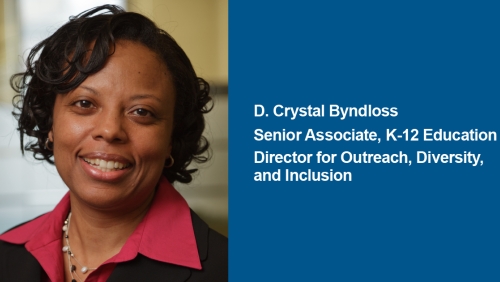
In this commentary originally published by the Thomas B. Fordham Institute, MDRC’s Crystal Byndloss offers lessons from our College Match demonstration in Chicago and New York, which helped college-ready, low-income high school students choose selective colleges that matched their academic profiles, financial considerations, and personal needs.
The July 2019 In Practice web series looks at how to use a range of media — and humor — to keep program participants engaged in services. Find out how memes and GIFs can transform an outreach strategy.
Studying Enhancements to Colleges’ iPASS Practices
Frequent advising seems to help struggling students, but advisers’ time is limited; could technology make a difference? This study examines the effects of three institutions’ efforts to expand the use of advising technologies and to use administrative and communication strategies to increase student contact with advisers.
This is the third in a series of Q&As with past participants in MDRC’s Judith Gueron Minority Scholars Program in which they reflect on their experiences at MDRC and discuss what they’re up to today.
Integrating Workforce and College-Readiness Training into California’s Adult Basic Skills Programs
New models for adult education that integrate basic skills education with workforce and college-readiness training are catching on across the country. In this report, MDRC examines the development of these programs in California and suggests ways to expand these integrated models in adult basic skills programs across the state.
Training Approaches Applied in the Procedural Justice-Informed Alternatives to Contempt (PJAC) Demonstration
The Procedural Justice-Informed Alternatives to Contempt (PJAC) project integrates procedural justice principles (the idea of fairness in processes) into enforcement at six child support agencies. This brief, intended for child support practitioners and administrators, describes the specialized training provided to staff members at the six participating agencies.
Final Impacts and Costs of the Los Angeles County Transitional Subsidized Employment Program
Los Angeles County tested two different models of subsidized employment for Temporary Assistance for Needy Families recipients: one subsidizes the wages of individuals placed at employers in the nonprofit or public sector, and the other offers wage subsidies to for-profit employers. This report offers findings from implementation, impact, and cost studies.