
Expanding High‑Dosage Tutoring
Evidence from Saga’s Live‑Online Math Model


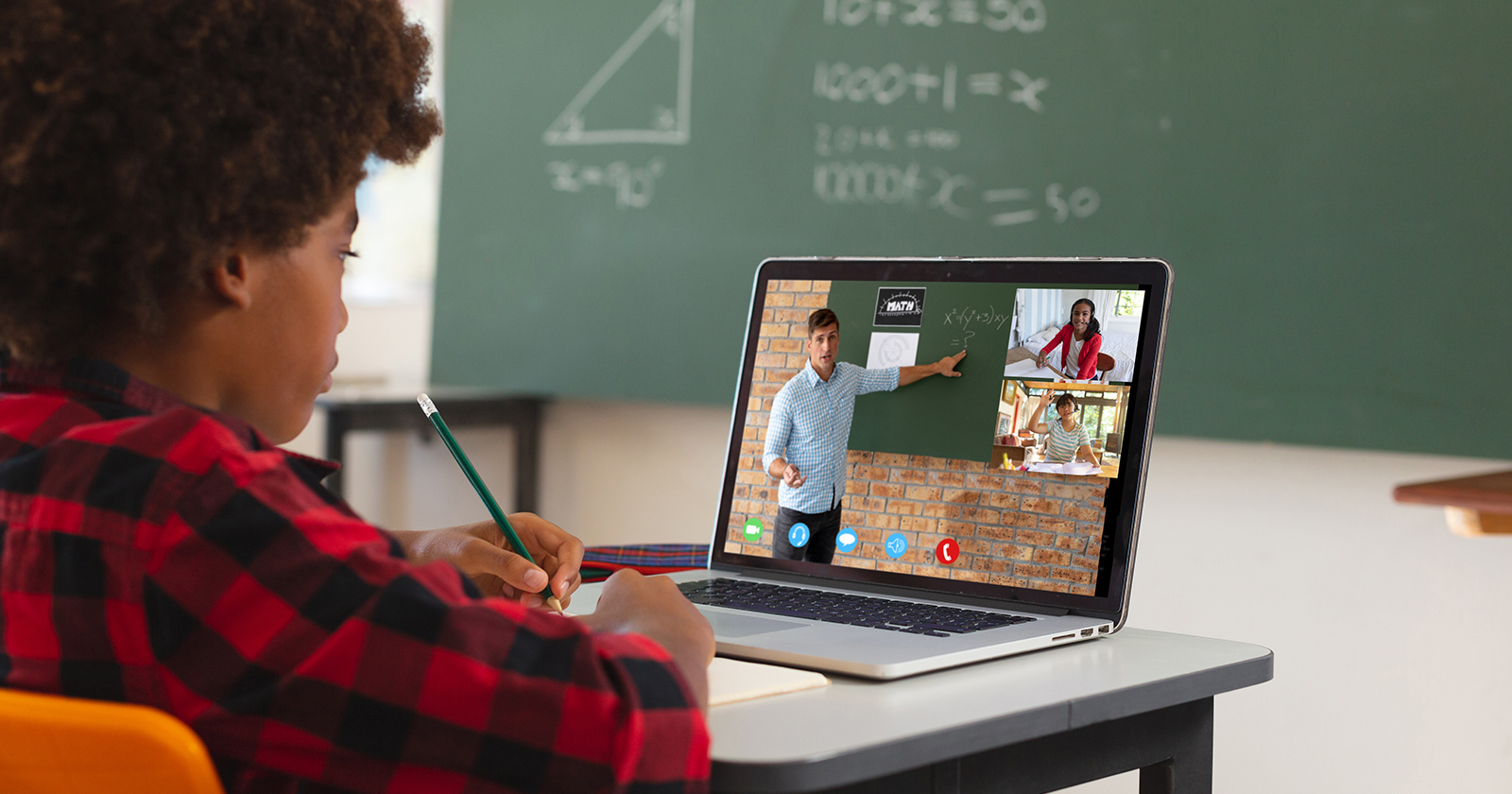
This brief examines the effects of Saga Education’s live-online Algebra I tutoring model. The live-online model is the latest modification to Saga’s original tutoring model, in which students are given personalized math instruction every day in small groups. In the model being studied here, two students alternate every other day between working directly with a tutor virtually and working independently on a computer-assisted learning platform. This study examines the effects of the live-online model and whether those effects vary across different types of students.
The new model was implemented in eight high schools in New York City between the 2021–2022 and 2023–2024 school years. The model was evaluated using quasi-experimental matching methods, in which ninth-grade students who participated in Saga were compared with a carefully matched group of similar students from other, similar New York City high schools who did not receive Saga tutoring. The students were then tracked through the end of the year to assess their math performance.
The findings indicate that the live-online model led to meaningful gains in math achievement. Students who received tutoring using the model were more likely to pass the standardized state Algebra I Regents Exam by the end of ninth grade (39 percent compared with 31 percent for the comparison group), they had higher Regents Exam scores, and they earned higher math grade point averages (GPAs)—all indicators of progress toward graduation.
The average effects of this model are somewhat smaller than those found in earlier evaluations of Saga’s original and in-person blended models (as described in the following section). One reason for this difference is that this model had weaker effects for boys and somewhat weaker effects for students who entered high school with very low math levels. These findings suggest that the mode of delivery may matter for certain types of students. Some students may benefit more from the structure and relationship building that come with in-person tutoring. Or perhaps the quality of tutoring is lower when delivered virtually.
Overall, the findings are encouraging and are consistent with the growing research showing that high-dosage tutoring models (those offering small-group tutoring at least three times a week) work. The live-online model represents a powerful way to make this type of tutoring available to more students by increasing the potential supply of tutors, but further research is needed into how students interact with and benefit from virtual tutoring. The findings can inform the efforts of schools and districts to address declining math achievement and put students who are behind in math back on a path toward graduation.