

MDRC’s National Rural Higher Education Research Center Welcomes 14 Rural Research Mentorship Network Scholars


This summer, MDRC’s National Rural Higher Education Research Center is pleased to welcome 14 students and early-career scholars to the Rural Research Mentorship Network. The Rural Research Mentorship Network is an eight-week, virtual program that prepares scholars to engage in policy-relevant research. Through a combination of hands-on research project work, professional development, and engagement with rural scholars and practitioners, participants will develop the skills, knowledge, and professional network necessary to conduct research in rural areas and to disseminate findings widely.
Members of the inaugural cohort of the Rural Research Mentorship Network scholars are:
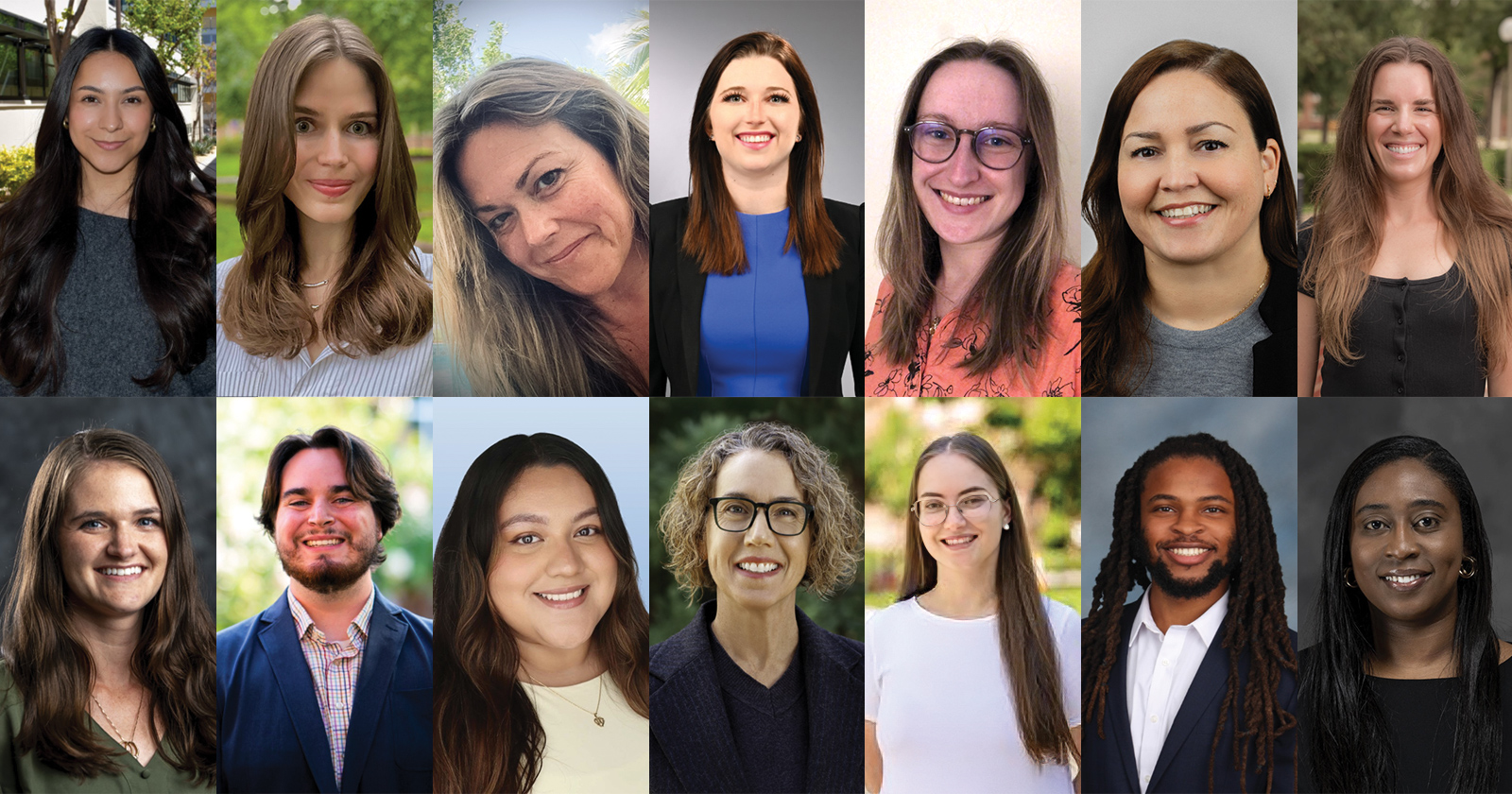
 | Chelsea Acevedo is the program coordinator for the Office of Undergraduate Research Services at California State University, Long Beach (CSULB), where she supports undergraduate research engagement and coordinates high‑impact programs. She is currently completing her MS in counseling and student development in higher education at CSULB, where her research focuses on the graduate school aspirations of rural Chicanas in California’s San Joaquin Valley. Before joining CSULB, Acevedo served as an academic advisor supporting first‑generation, transfer, and STEM students through academic planning, transition support, and holistic advising. Raised in California’s San Joaquin Valley, she brings a lived understanding of rural educational contexts and holds a BA in criminology, law, and society from the University of California, Irvine. |
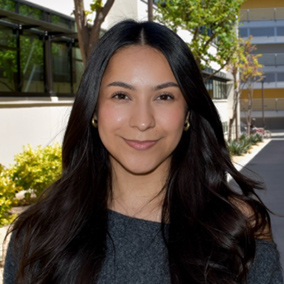
 | Scout Meredith Best is a political scientist, researcher, and higher education advocate whose work explores the intersections of educational policy, public trust, rurality, and access to opportunity. She has held roles at the College Board and the American Association of Colleges and Universities, where she is currently working on an initiative on advancing public trust in higher education. She has also taught or contributed to programs at New York University Shanghai, Yale University, and McGill University. She holds a BA in international studies from Dickinson College and an MA in political science from McGill University, where she researched Russian and Chinese diplomatic engagement in South America. |
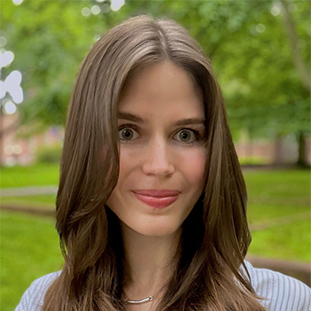
 | Mandy Chesley-Park is a doctoral student in educational leadership and policy studies at the University of Vermont. Chesley-Park's research focuses on rural educational leadership, school governance, community identity, and educational opportunity. A seventh-generation Vermonter, Chesley-Park also serves as director of the Expanded Learning Program for a rural Vermont school district. In this role, Chesley-Park leads district-wide afterschool, summer, and youth development initiatives that serve children and families across multiple rural communities. |
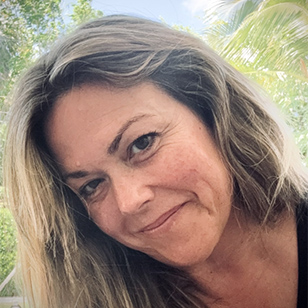
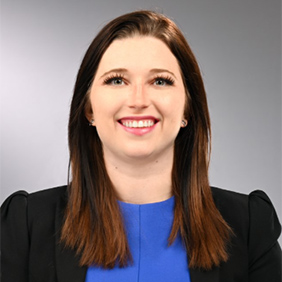 | Aspen Drude is a higher education and rural health professional, researcher, and educator dedicated to advancing opportunities for rural communities through research, workforce development, and strategic partnerships. Most recently, Drude served as director of the Center for Rural Health and Nursing at the University of Texas at Arlington, leading statewide initiatives focused on rural healthcare access, nursing workforce development, community engagement, and educational innovation. Drude is pursuing a PhD in educational leadership and policy studies at the University of Texas at Arlington. Her research focuses on rural higher education, educational equity, student success, college return on investment, and the social and economic impacts of student loan debt in rural communities. |
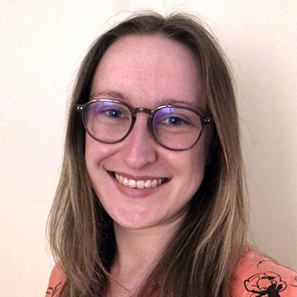 | Ursula Gamache currently serves as an academic counselor for the Penn First Plus program at the University of Pennsylvania, where she supports first-generation, limited-income students, including many of the program’s rural students. Gamache leads the Small Town and Rural (STAR) Student program, which is designed to foster a sense of belonging and build community on Penn’s large, urban campus. Gamache graduated with an MSEd in education, culture, and society from the University of Pennsylvania in 2023. Gamache served for two years with the Carolina College Advising Corps, supporting students at two small-town high schools through the college application process. Gamache is especially interested in the intersection of rural, first-generation, and limited-income college students regarding college access and persistence. Gamache is also interested in the experiences of rural students at elite universities concerning belonging and post-graduation pathways. |
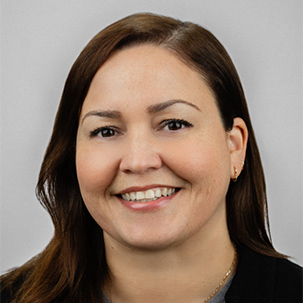 | Cassandra Gonzalez is a PhD student in the Department of Education at the University of California, Los Angeles (UCLA) whose work examines the educational trajectories of community college students living in rural areas. As a qualitative researcher, she centers the lived experiences of students to better understand how geographic, institutional, and structural factors shape educational opportunity. She seeks to inform policies and practices that promote equitable access, strengthen student support systems, and improve transfer and completion outcomes for rural community college students. A proud community college graduate, she brings both personal experience and scholarly expertise to her work on equity and access in higher education. Cassandra earned her master’s degree in higher education and organizational change from UCLA and is an adjunct professor at Los Angeles Mission College. |
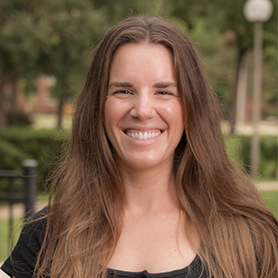 | Madeline W. Good, PhD, is an assistant professor of elementary education at Truman State University in Kirksville, Missouri. She graduated with her BS in elementary education and child studies from Vanderbilt University in 2014 before teaching in Missouri public schools for five years. She earned her PhD in educational policy from the University of Missouri - Columbia in 2024. Good’s research has focused on how teacher expertise is socially and politically constructed, particularly in rural settings. Through her work at Truman State, and now as a member of the Rural Research Mentorship Network, she is overwhelmingly grateful to be able to engage in meaningful research while also helping cultivate and support the next generation of Missouri's teachers. |
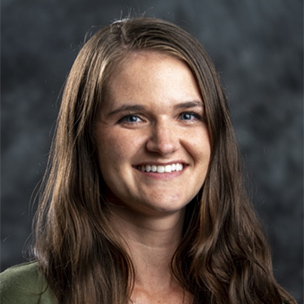 | Stephanie Haines is a senior associate director of financial aid at Grinnell College and a PhD student in the School of Education at Iowa State University. She holds a bachelor's degree in political science from Grinnell College and a master's degree in education from Harvard University. She has over a decade of experience working in financial aid, having worked at Bowdoin College and Harvard College prior to joining the Office of Financial Aid at her alma mater in 2021. Her primary research interests include financial aid policy, rural students’ experiences with and access to higher education, and intersections between the two areas. Haines grew up on a small farm in rural Iowa, and her family raised livestock and showed Boer goats across the Midwest. |
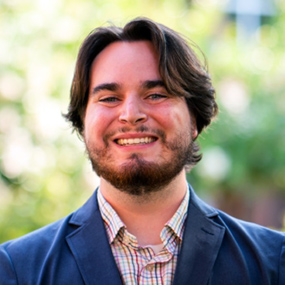 | Ryan Koonts is an evaluation associate at the Center for Education Design, Evaluation, and Research (CEDER) in the University of Michigan (UM) Marsal Family School of Education. A graduate student in the UM Center for the Study of Higher and Postsecondary Education, Koonts expects to complete his master’s in higher education and institutional research in December 2026. His prior work as a college advisor in a rural North Carolina high school allows him to bring a practitioner perspective to his academic work following Michigan GEAR UP and conducting evaluations of institutional interventions and college access programs in rural communities. |
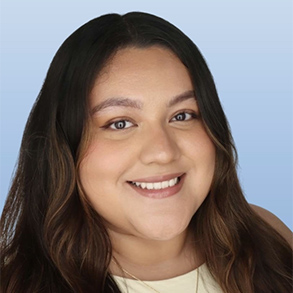 | Marlene López Torres is a second-year PhD student in the Gevirtz Graduate School of Education at the University of California, Santa Barbara. She earned her BA in Spanish and ethnic studies (with a concentration in Chicanx/Latinx studies) from California State University, Sacramento. Inspired by her experiences as a first-generation student from a migrant, farm-working background and growing up in California’s agricultural San Joaquin Valley, López Torrez’s research centers on access to postsecondary education for rural Latinx youth in the San Joaquin Valley and explores how space, race, and class intersect to structure opportunities, as well as how Latinx youth overcome barriers to pursue an education. Her current research explores how rural Latinx students are leveraging digital spaces to inform postsecondary choices and explores issues of accessibility to the internet, technological devices, and credible information sources. |
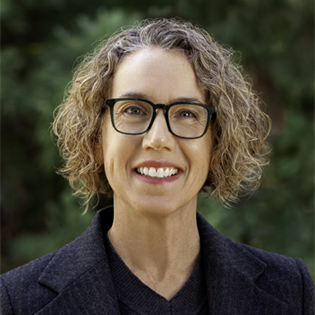 | Kathleen Mullen is a doctoral candidate in public policy and administration at Boise State University. Committed to applied social science that supports practice, her research examines how place shapes opportunity across education and health. Her dissertation examines rural students' educational trajectories and how partnerships can expand opportunities for students and communities, integrating quantitative analysis of longitudinal, nationally representative data with qualitative case studies. |
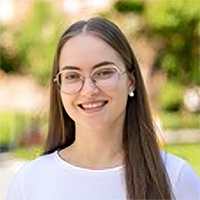 | Cady Rancourt is a master's student in the Center for the Study of Postsecondary and Higher Education at the University of Michigan's Marsal Family School of Education. She works in the Office of Budget and Planning as an institutional research intern, in addition to serving as a research assistant for two separate postsecondary research groups. She has also worked at Princeton University in the Office of the Provost, where she provided research assistance to senior leaders on academic affairs. She graduated from Dartmouth College with a BA in educational studies with a minor in geography. Her research interests center on student academic autonomy in higher education and its relation to economic outcomes, spanning both positive and negative influences on students' academic and vocational decision-making. She is especially interested in rural students' geographic access to and understanding of postsecondary options, combining rigorous econometrics with geospatial analysis. |
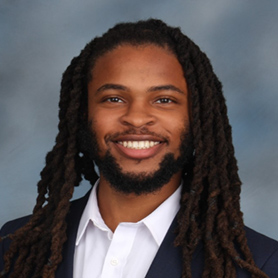 | William Redding is a third-year doctoral student at the University of Georgia's (UGA) Louise McBee Institute of Higher Education. He earned his master’s in the study of law from the UGA School of Law, and his BA in linguistics from UGA’s Franklin College of Arts and Sciences. Redding’s current research interests lie at the intersection of educational policy and college access and success. Specifically, he seeks to understand how institutional, state, and federal policy affect Black and rural students' enrollment and completion rates. He serves as a graduate research assistant for UGA's Archway Partnership program where he aids in their mission to connect Georgia communities with higher education resources. |
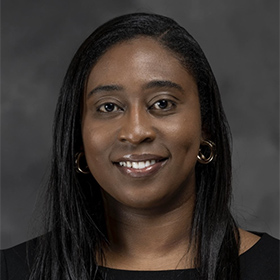 | Kamia F. Slaughter, PhD, is an assistant professor of educational leadership, policy, and law at Alabama State University. She teaches doctoral-level courses on academic and public scholarship, qualitative research methods, curriculum planning, and legal issues. As a researcher, she investigates (1) the hidden and complex work of college administrators and practitioners, local community members, and other stakeholders in Black, rural communities; (2) the role of discourse in shaping ideas about Black, rural students; and (3) the ways that Black, rural places are reflected in or erased by postsecondary policies and practices. Slaughter is a native of Loachapoka, AL, and a three-time graduate of Auburn University culminating in a PhD in administration of higher education. Her rural upbringing coupled with rural-centered academic and practical experiences inspired her to pursue a scholarly agenda focused on the intersections of race, place, and praxis. |
The Rural Research Mentorship Network is supported by the Institute of Education Sciences, U.S. Department of Education, through Grant R305C240065 to MDRC. The opinions expressed are those of the authors and do not represent views of the Institute or the U.S. Department of Education.
Latest News
State University of New York